Skip to main content
 What records do small business owners need to keep?
There are plenty of upsides to being your own boss, but many small business owners are daunted by the financial paperwork involved in going it alone. If you’ve become self-employed and are wondering what sort of records you need to keep - and how long you need to keep them for - our guide will walk you through the basics.
Why keep business records?
You might think of record-keeping as a chore, but it’s crucial for keeping tabs on the money flowing in and out of your business. Having well-organised records will also make life easier when you come to file your annual Self Assessment tax return to HMRC.
Aside from anything else, it’s a legal requirement to maintain accurate business records, and you’ll need to hold on to them for several years in case HMRC ever asks to inspect them. You could be fined up to £3,000 if you fail to keep adequate records.
Records for sole traders and partnerships
If you’re self-employed as a sole trader or a partner in a partnership, then you have to keep records of your business income and expenditure. You’ll also need records of any other personal income in order to complete your tax return.
Business income
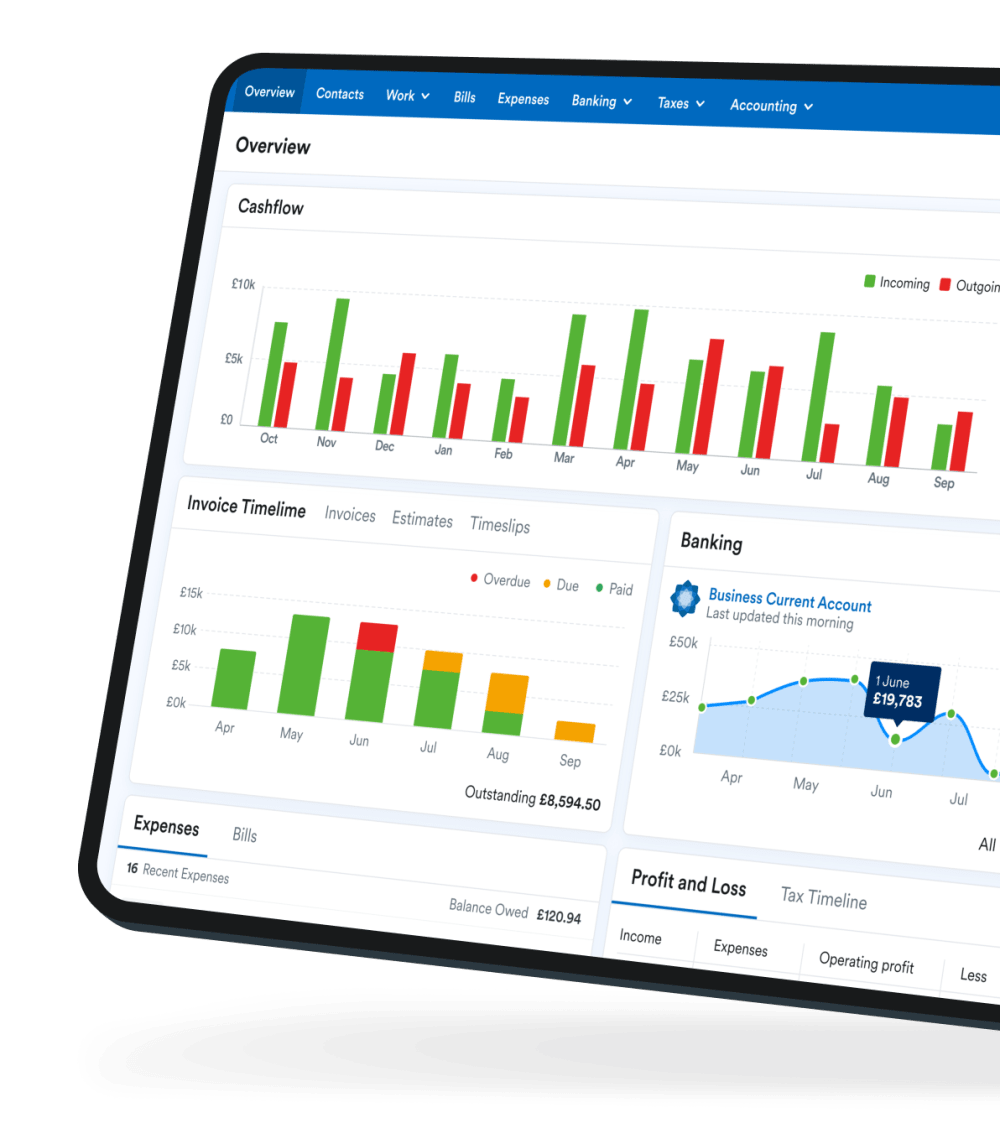
You’ll need to record all sales and other business receipts and keep supporting records such as invoices and bank statements. These can be paper copies or electronic versions, stored either on your computer or online using cloud accounting software such as FreeAgent.
To comply with HMRC’s rules, each invoice must have a unique number, along with the date of the invoice and the name and address of both your business and the customer. Each invoice must also include a description of what you’re charging for, the date the goods or service were provided, the amount being charged and the total amount owed.
If your business is VAT registered, the invoice must show additional information, including the VAT amount, your VAT registration number and the rate of VAT charged per item. See our guide to VAT invoices for more details.
Business expenditure
You should keep receipts for all your business expenses. These can be paper receipts or, in most cases, electronic copies such as scanned images or digital photos, provided they show all the information clearly. Similarly, you should also keep records of the purchases of any capital assets.
Recording expenses in FreeAgent
FreeAgent makes it easy to keep records of all the expenses you incur while running your business. If you use the FreeAgent mobile app, you can snap expense receipts while you’re on the go and upload them straight to your account from your phone.
Find out more about expenses in FreeAgent
Other business records
If your business is registered for VAT, there are some additional records you’ll need to keep. If your business employs anyone else, you’ll need to keep PAYE records. You’ll also need to keep details of any grants you claimed through the Self-Employment Income Support Scheme (SEISS) during the coronavirus (Covid-19) pandemic.
Personal income
You’ll need to keep records of any income you’ve received outside of your business in order to complete the personal parts of your tax return. Depending on your circumstances, these records could include:
- any P45s, P60s and P11Ds and payslips from employment (if you had a full-time or part-time job on top of any work you did for yourself during the tax year, for example)
- personal bank and building society statements showing interest received
- original physical copies of dividend vouchers for any UK company dividends you were paid
See HMRC’s guidance for more details of all the personal pay and tax records you need to keep.
Records for limited companies
The rules on record-keeping are different if your business is set up as a limited company. There are certain records that you have to keep about the company itself, as well as financial and accounting records. You’ll find more details in our guide to setting up a limited company, and you should refer to HMRC’s guidance on company and accounting records.
How long to keep your business records
Sole traders and partnerships must keep business records for at least five years after the 31st January tax return submission deadline of the relevant tax year. For example, the tax return for the 2023-24 tax year was due by 31st January 2025, so you would need to keep records relating to that tax year until at least the end of January 2030.
Limited companies must keep records for at least six years from the end of the last company accounting year they relate to.
If your business is registered for VAT, you must keep your VAT records for at least six years.
For more information on the topic of record-keeping, see HMRC’s online guidance. For some detailed examples, refer to the downloadable guide to keeping records for your tax return.
Disclaimer: The content included in this guide is based on our understanding of tax law at the time of publication. It may be subject to change and may not be applicable to your circumstances, so should not be relied upon. You are responsible for complying with tax law and should seek independent advice if you require further information about the content included in this guide. If you don't have an accountant, take a look at our directory to find a FreeAgent Practice Partner based in your local area.
18th February 2025